
The different types of new year’s resolutions and their stats
The origins of new year’s resolution track back to the ancient times when in the beginning of the year, Romans made their promises for the god Janus. In Medieval times, the knights made their vow’s in the end of the year. Today, people want to be healthier, fitter and overall better, starting at January first.
Usually the promise is one of the following:
- “I’ll exercise more”
- “I’ll drop 10-60 pounds”
- “I’ll quit smoking”
- “I’ll read more”
- “I’ll take a break from social media”
- “I’ll sleep more”
- “I’ll start a new hobby”
- “I’ll drink more water”
- “I’ll drink less alcohol”
- “I’ll start to meditate”
- And so on, just to name a few
When you check that list, it is not a surprise that January is the busiest month of the year for fitness gyms, Crossfit gyms and all the other similar places.
Between December and January, there are more gym memberships started than any other comparable time scale in the year. Especially in the western countries all around the globe. The memberships are typically started in the period between December and January 1st to be exact (usually you get a better and cheaper deal if you sign up before January).
What’s more alerting is the fact that most of these new memberships will be quit or stopped before 24 full weeks. Where 4% quit by the end of January, 14% quit before the end of February and 80% will quit within 5 months. Probably the only reason why the period is even 24 weeks long, is the fact that 6months is the average length of a new membership.
The idea of taking a better care of yourself is totally understandable and even a good thing to do. Though, something has to be done, in order to make it a permanent change.

How to keep your new year resolution?
Instead of making it an empty resolution year after year, there are some things you can do to make the new habits stick. In fact, According to Harvard Health Publishing, there are seven things you can do, to make the new habits permanent.
Seven seems to be a magic number within this topic, since Inc. also listed their Top 7. A lot of similar ones with Harvard, but few nice addons such as “plan for obstacles” and “track your progress.
Altogether, the usual things listed include some, or all from the following:
- Review your past year
- Dream big
- Set your goals
- Break the dream into smaller steps
- Understand why you should make the change
- Commit yourself
- Stay motivated
- Give yourself a credits
- Learn from the past
- Don’t be too hard on yourself
In our opinion these are pretty good starting points, but they are missing something crucial. The focus.
Usually, the biggest mistake is trying to improve a lot of things at the same time, while you should focus on just one. Charles Duhigg, the author of “Power of Habit” referenced multiple studies in his bestseller where it was stated that if people want to stop bad habits or start new ones, they have to give at least 2-3 months for the single thing to drop or become a routine. If there were multiple tries at the same time, not even one of them persisted.
So, instead of multiple choices, choose one specific goal and stick with it for at least 3 months. Do everything you can in order to achieve it during those 3 months and it will grow to be part of new you. Only after the 3 month period, you can choose a new habit to cracks.

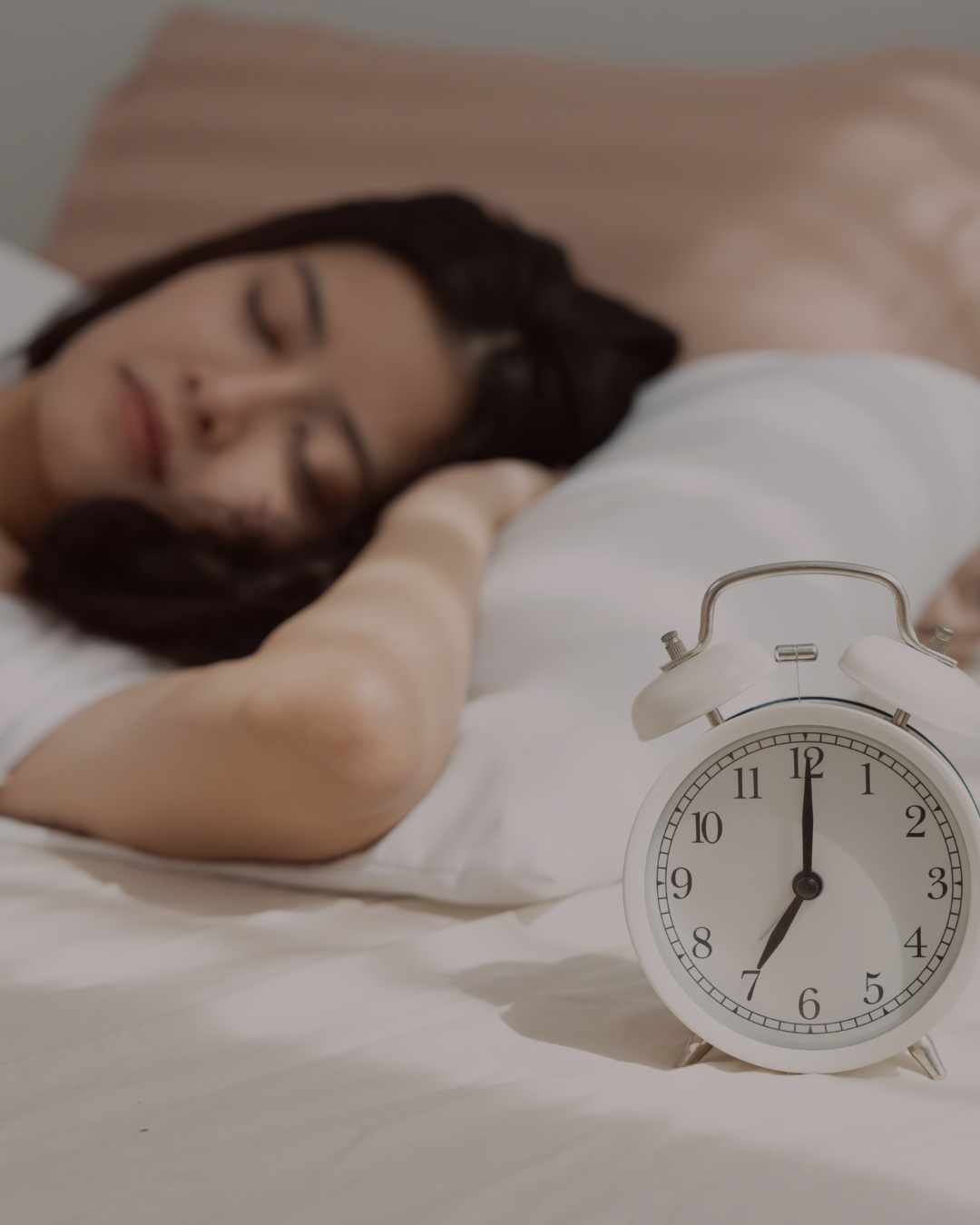
“Better sleep is my number 1 goal for the next year”
So, you concluded that better sleep is your number 1 priority for the next year? Excellent decision, since everything starts with a healthy, nurturing and deep sleep.
There’s been a ton of studies over the years about the effects and correlation that sleep has to human performance overall. And this applies through the entire human lifespan.
So, what can you actually do to make your sleep better?
Start with small steps
Go through and study everything what we have written about the topic earlier:
- Usual reasons for sleep problems
- Working night shift and sleeping (part 1 & part 2)
- How to sleep peacefully
- Why 5 hours of sleep is not enough?
- How to manage in a noisy environment
- Sleep and stress (Parts 1, 2 and 3)
- Sleeping In a noisy neighborhood
- Night noise and why its not good
References:
https://www.gsk.com/en-gb/media/resource-centre/covid-19-prompts-increased-focus-on-self-care/
https://noobgains.com/gym-membership-statistics/
https://www.statisticbrain.com/new-years-resolution-statistics/