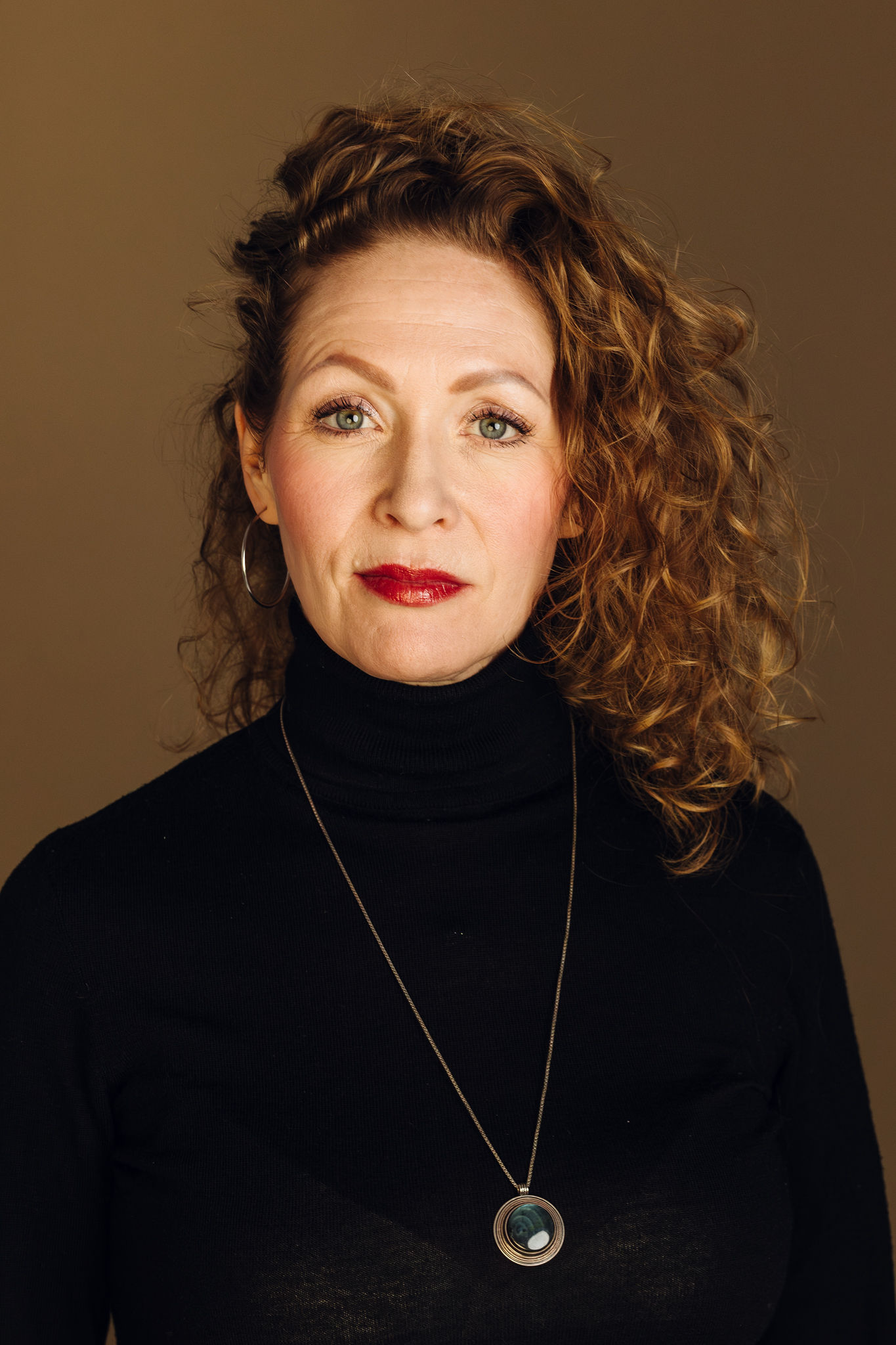
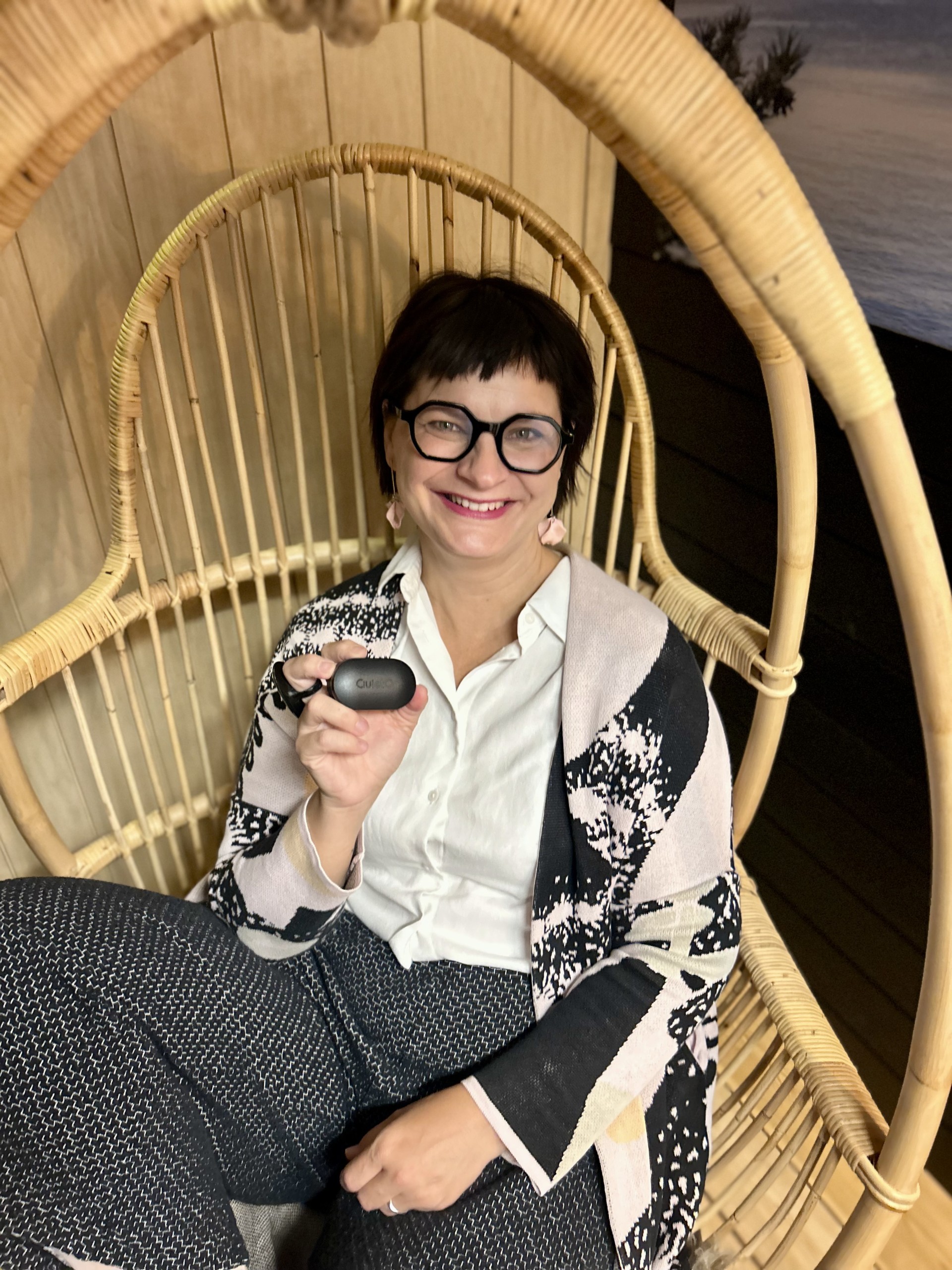
Meet Laura, a 49-Year-Old Entrepreneur from Finland
Laura is the CEO of a startup that brings education to developing countries. Her company focuses on hybrid learning models that combine digital tools with physical spaces. Right now, she’s working closely with partners in Rwanda, where her team trains teachers and daycare workers who support both preschool and school-aged children.
“There’s plenty of meaningful work; the key is getting enough sleep. It’s expert-level work, if you’re tired, it doesn’t function well.”
Outside of her startup, Laura also owns a yoga studio with other instructors. These two very different businesses keep her life busy and exciting, but also demanding. With so much going on, sleep isn’t just a luxury for Laura, it’s essential for staying sharp and energized.
The Changing Nature of Sleep
Over the years, Laura has noticed that sleep doesn’t come as easily as it used to. Falling asleep has become more difficult, and her partner’s snoring often makes things worse.
“It’s harder to fall asleep—this has come with age. I’ve always been the type who stays up late and sleeps in. My partner’s snoring has gotten worse with age, and when I can’t fall asleep, the snoring keeps the difficulty going.”
She believes these changes are mostly due to hormones. While stress has affected her sleep in the past, it’s not a major issue right now. Still, the overall quality of her sleep has gone down, and that’s had a real impact on how she feels during the day.
Restoring Balance Through Better Sleep
For Laura, getting good sleep is one of the most important ways to manage menopause symptoms and stay well.
“The most unpleasant symptom has been sleep issues. Sleeping better is key to feeling better overall.”
Although medication has helped with other symptoms, poor sleep tends to make everything feel worse. She’s not alone in this, many of her friends going through the same stage of life have said the same thing.
Laura wants other women to know that sleep problems during perimenopause or menopause are common—and treatable.
“It’s the number one thing to get sorted. For many, it might not even be obvious that sleep issues are a symptom of perimenopause or menopause. If you’re at a certain age, it’s worth checking whether it could be related to that.”
She recommends trying simple tools like earplugs and sleep masks, and looking into the many services now available to help improve sleep.
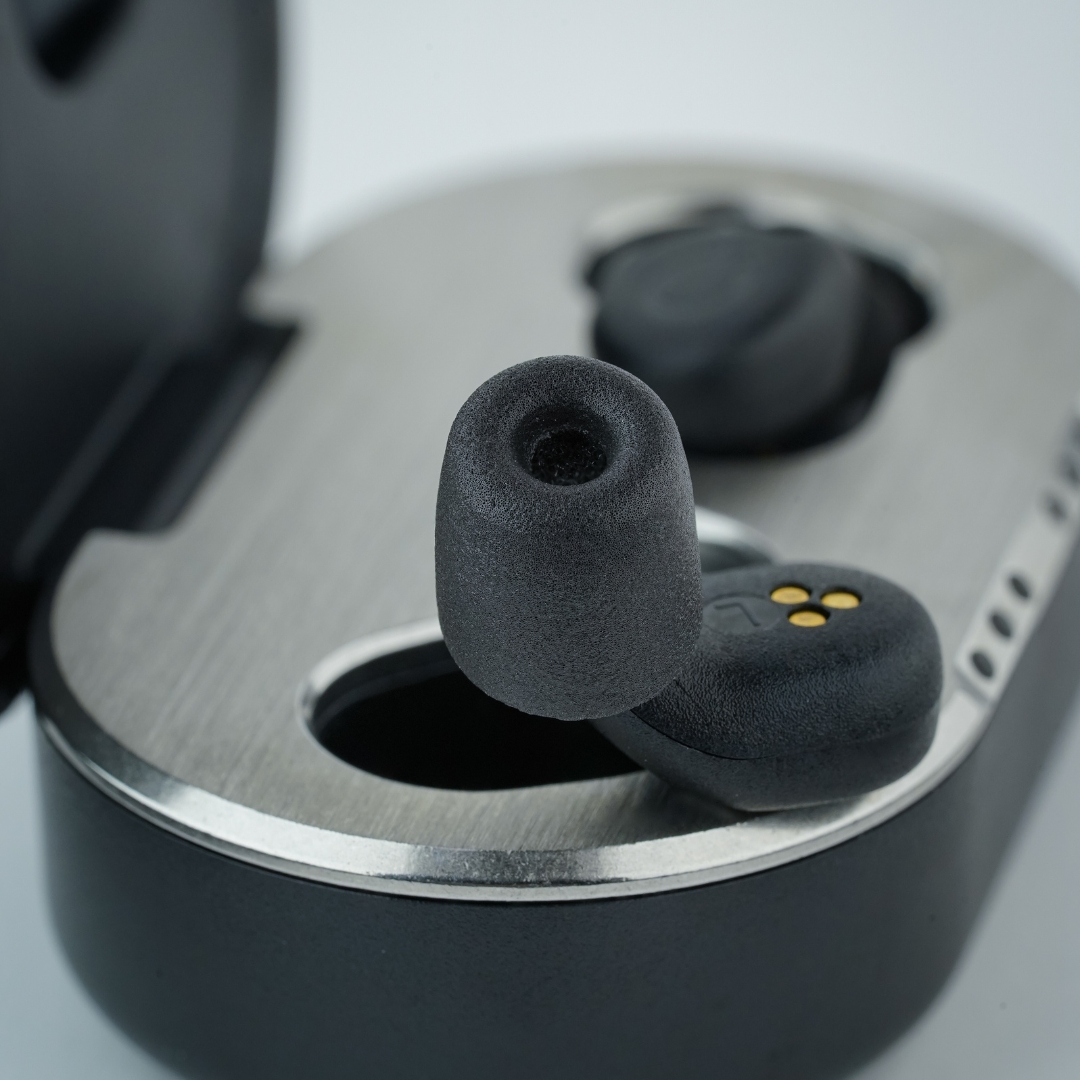
Finding Peace in the Noise: Laura’s Experience with QuietOn 4
Noise, especially snoring and sudden sounds, have long disrupted Laura’s sleep. Over the years, she tried everything from basic earplugs to noise-canceling headphones and AirPods, but none were quite right. Earplugs worsened her mild tinnitus, headphones were too bulky for bed, and AirPods were simply uncomfortable.
That changed when a friend recommended QuietOn 4.
“It came at the perfect time when I needed it. It’s more comfortable, stays in place better, and works more effectively.”
From the start, Laura found them easy to use. The clear instructions and adjustable ear tips helped her get a snug fit—especially important since she has shallow ears. A standout moment was a night train ride from Helsinki to Kemijärvi. Despite the usual noise from stops and announcements, she slept soundly through the night.
“I didn’t wake up at all—except when the Rovaniemi announcement came on. My body seemed to know it was time to wake up.”
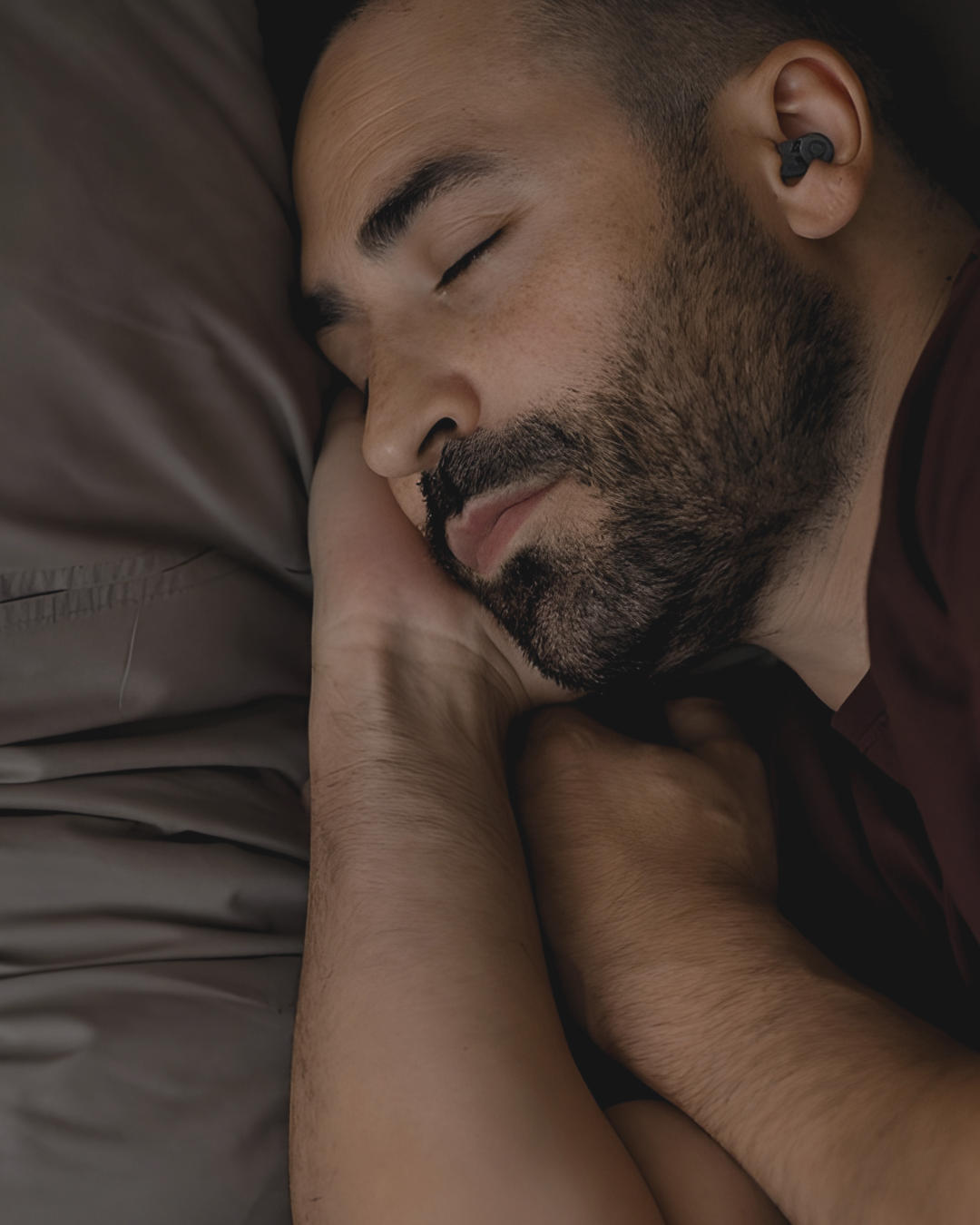
Since then, QuietOn 4 has become a key part of her sleep routine. Laura now sleeps more deeply and wakes up feeling refreshed. Even as a side sleeper, she finds them comfortable to wear all night.
“Whenever I’ve worn them, I’ve slept consistently well. It’s a great addition to improving sleep quality, especially in situations where falling asleep might be difficult.”
When asked to sum it up, she doesn’t hesitate:
“Easy to use, tiny, and excellent.”